
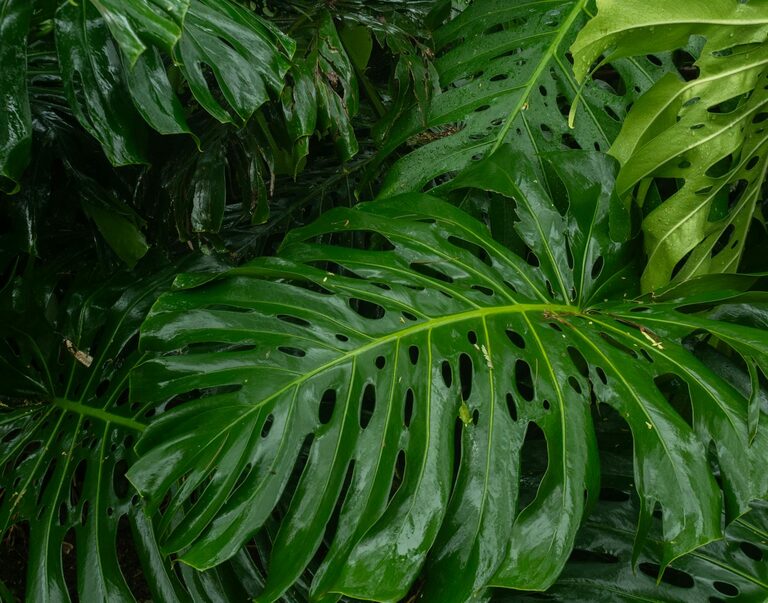
Creating a sustainable and eco-friendly home garden is a rewarding way to contribute positively to the environment while enjoying fresh air, beautiful plants, and even homegrown produce. Whether you have a large backyard or a small balcony, there are simple strategies to make your garden greener and kinder to the planet. This guide offers practical tips to help you build a sustainable garden that thrives naturally and supports local wildlife.
Why Choose a Sustainable Garden?
Sustainable gardening focuses on using resources responsibly, reducing waste, conserving water, and supporting biodiversity. It benefits your home by reducing bills, providing fresh food, and creating a peaceful outdoor space. Plus, it helps mitigate climate change and protects local ecosystems.
Planning Your Eco-Friendly Garden
Choose Native Plants
Native plants are adapted to your local climate and soil, requiring less water and fewer chemicals. They also provide food and shelter to native birds, insects, and pollinators.
– Visit local nurseries for native species suggestions.
– Incorporate a mix of trees, shrubs, and flowering plants.
– Avoid invasive species, which can damage local ecosystems.
Design for Water Efficiency
Water conservation is key in sustainable gardening. Proper planning can reduce your garden’s water needs significantly.
– Install rainwater harvesting systems like barrels to collect rainwater.
– Use drip irrigation or soaker hoses instead of sprinklers.
– Group plants with similar water needs together (known as hydrozoning).
– Mulch around plants to retain moisture and reduce evaporation.
Soil Health and Composting
Good soil is the foundation of a sustainable garden. Healthy soil improves plant growth, stores carbon, and reduces the need for chemical fertilizers.
– Test your soil to determine its pH and nutrient levels.
– Use organic compost to enrich soil naturally.
– Start a compost bin for kitchen scraps, garden waste, and leaves to reduce landfill contribution.
– Avoid synthetic fertilizers and pesticides which can harm soil life.
Encouraging Pollinators and Wildlife
Pollinators like bees and butterflies play a vital role in your garden’s productivity. Creating habitats for wildlife supports biodiversity.
– Include a variety of flowering plants that bloom at different times.
– Provide water sources such as shallow dishes or birdbaths.
– Leave a patch of bare ground or dead wood for pollinating insects.
– Build or buy bee hotels and insect houses.
Sustainable Gardening Practices
Use Organic Mulches
Materials like bark chips, straw, or leaves protect soil, suppress weeds, and decompose to add nutrients.
Avoid Single-Use Plastics
Use reusable, biodegradable, or recycled materials for pots and garden tools where possible.
Reduce Lawn Area
Lawns typically require heavy watering and mowing. Consider replacing some lawn with wildflower meadows, vegetable beds, or groundcovers.
Practice Crop Rotation and Companion Planting
In vegetable gardens, rotate crops each season to manage soil nutrients and prevent pests. Companion planting can improve yields and reduce pest problems without chemicals.
Growing Your Own Food Sustainably
Growing vegetables, herbs, and fruits at home reduces the carbon footprint associated with store-bought produce.
– Choose seasonal crops suited to your climate.
– Save seeds from your best plants to reduce waste and cost.
– Use permaculture principles to design a self-sustaining system.
Managing Garden Waste
Reduce waste by composting or converting green waste into mulch. Avoid burning garden waste, which causes pollution.
Reuse and Recycle
– Use old wooden pallets to build raised beds.
– Repurpose containers and pots.
– Share excess plants and seeds with neighbours or gardening groups.
Additional Eco-Friendly Tips
– Opt for solar-powered garden lights.
– Use natural pest control methods like introducing ladybirds or using neem oil.
– Plant trees to provide shade and reduce home energy use.
Conclusion
Creating a sustainable and eco-friendly home garden is an ongoing process that benefits you, your community, and the environment. By choosing native plants, conserving water, enriching your soil naturally, and welcoming wildlife, you build a resilient garden that flourishes year after year. Small changes in your gardening habits can make a big difference for the planet.
Start with a few simple steps today and enjoy the satisfaction of growing a green space that’s healthy, beautiful, and kind to nature. Happy gardening!