
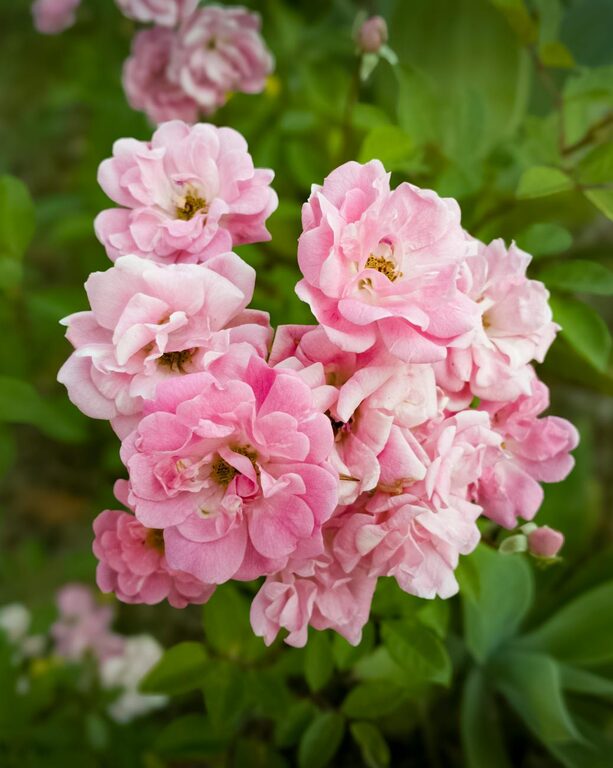
Creating a relaxing garden space at home is a wonderful way to carve out a peaceful retreat where you can unwind, recharge, and enjoy the outdoors. Whether you have a large garden or just a small balcony, the right approach can transform your outdoor area into a soothing oasis. This article offers practical tips to help you design and maintain a garden that promotes calm and relaxation.
1. Plan Your Garden with Comfort in Mind
Before you start planting or purchasing garden furniture, take time to plan your space with comfort and ease of use as priorities.
– Define your purpose: Decide what you want from your garden space. Is it a place to meditate, read, entertain guests, or enjoy a meal outdoors? Knowing this will guide your design choices.
– Consider seating: Comfortable seating is key for relaxation. Choose chairs or benches with cushions, or even consider a hammock if space allows.
– Accessibility: Ensure your garden paths are smooth and easy to walk on to prevent any discomfort or accidents.
2. Choose Plants That Promote Serenity
Plants play a crucial role in setting the tone of your garden. Select varieties that create a calming atmosphere through scent, colour, and texture.
– Aromatic plants: Lavender, jasmine, and rosemary offer gentle fragrances that can reduce stress and enhance your garden’s atmosphere.
– Soothing colours: Use soft greens, blues, and purples for flower beds and foliage. These colours tend to have a calming psychological effect.
– Low maintenance: Choose plants suited to your local climate and soil conditions to keep up the garden without strain.
3. Incorporate Natural Elements
Bringing natural elements into your garden design can boost tranquillity and make the space feel harmonious.
– Water features: A small fountain or birdbath adds soothing sounds and attracts wildlife, which enhances the peaceful ambiance.
– Natural materials: Use timber, stone, or bamboo for garden furniture and pathways to blend your garden with the outdoor environment.
– Wildlife-friendly planting: Encourage butterflies, bees, and birds by including native plants and avoiding pesticides.
4. Create Zones for Different Activities
If space permits, segmenting your garden into different zones can maximise its use and help you switch off more easily.
– Quiet corner: Set aside a nook with a comfortable chair or bench for reading or meditation.
– Dining area: A small table with chairs invites al fresco dining or tea breaks.
– Gardening space: If you enjoy hands-on activity, include a spot with easy access to tools and pots for potting plants.
5. Use Lighting to Extend Enjoyment into the Evening
Good lighting not only increases safety but also adds warmth and character to your garden after dark.
– Soft lighting: Solar-powered fairy lights or lanterns create a cosy atmosphere without overwhelming brightness.
– Spotlights: Focus gentle beams on key features such as trees or sculptures to highlight them beautifully.
– Path lighting: Low-level lights along walkways help guide you safely while adding charm.
6. Add Personal Touches and Decorative Elements
Personalising your garden with decorations, artworks, or handmade items can increase its appeal and make the space feel truly yours.
– Garden ornaments: Wind chimes, statues, or colourful pots bring interest and joy.
– Textiles: Outdoor rugs and cushions add comfort and warmth to seating areas.
– DIY projects: Crafting your own garden accessories can be a rewarding hobby that deepens your connection with the space.
7. Maintain It Regularly but Keep It Simple
A relaxing garden doesn’t need to be complicated or overly manicured. Regular upkeep keeps your garden inviting but try to keep maintenance straightforward.
– Routine care: Water plants as needed, trim overgrown branches, and clear away fallen leaves to maintain a tidy appearance.
– Seasonal tasks: Prepare your garden for different seasons by planting bulbs in autumn or protecting delicate plants in winter.
– Keep it natural: Resist the urge for perfection; a little wildness can enhance the garden’s charm and create habitats for wildlife.
Final Thoughts
Designing a relaxing home garden space is about creating an environment that appeals to your senses and fits your lifestyle. By combining thoughtful planning, suitable plants, natural elements, and personal touches, your garden will become a peaceful haven where you can enjoy nature’s calming effects. Remember, the best garden isn’t always the biggest or most elaborate, but one that feels restful and inviting to you. Happy gardening!