
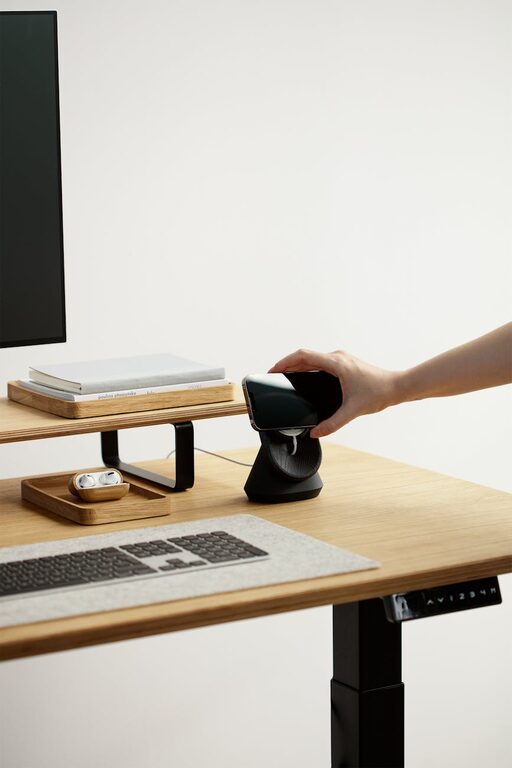
Creating a clutter-free workspace at home can significantly improve your focus and productivity. Whether you’re working remotely, freelancing, or managing household tasks, an organised environment helps reduce stress and keeps your day running smoothly. Here are some simple yet effective tips to help you achieve a tidy and efficient home workspace.
Why a Clutter-Free Workspace Matters
Before diving into practical steps, it’s worth understanding why a clutter-free workspace is beneficial. A tidy desk can:
– Improve concentration by reducing distractions
– Boost creativity and motivation
– Make it easier to find important documents and tools
– Create a calm and inviting atmosphere
– Encourage better time management
With these benefits in mind, let’s explore how to get started.
1. Choose the Right Location
Start by picking a space dedicated to work. Ideally, it should be:
– Quiet and free from distractions
– Well-lit with natural or soft artificial light
– Close to necessary resources (printer, power outlets)
– Comfortable with an ergonomic chair and desk
Having a defined workspace helps mentally separate work from leisure and makes it easier to maintain order.
2. Declutter Regularly
One of the best habits you can develop is cleaning your workspace at the end of each day or week. To declutter effectively:
– Remove unnecessary items from your desk surface
– File or recycle old papers and envelopes
– Clear out drawers and organise contents
– Get rid of duplicates like extra pens or chargers
Remember, less is more. Keeping only essential items within reach promotes a neat space.
3. Invest in Smart Storage Solutions
Good storage is key to an organised workspace. Consider:
– Desk organisers for pens, notepads, and stationery
– Filing trays or binders for paperwork
– Shelves or cupboards to store books and supplies
– Cable clips or boxes to manage cords
Choose storage that fits your space and style, helping you keep items out of sight but easily accessible.
4. Use Digital Tools to Reduce Paper
Reducing paper clutter simplifies your workspace. Try:
– Scanning important documents and storing them digitally
– Using apps for note-taking and task management
– Setting up email folders to organise correspondence
This approach cuts down on piles of paper and streamlines your workflow.
5. Personalise Mindfully
A workspace that reflects your style can be motivating — but balance personalisation with practicality. Some ideas:
– A small plant to freshen the air
– A photo or artwork that inspires you
– A calendar or whiteboard for reminders
Avoid overcrowding your desk with too many decorations to keep focus on work.
6. Maintain a Regular Cleaning Routine
Dust and dirt can quickly accumulate, so schedule regular cleaning:
– Wipe down surfaces with a damp cloth
– Clean your keyboard, mouse, and screen gently
– Vacuum or mop the floor near your workspace
A clean environment supports health and comfort during your working hours.
7. Create a ‘Landing Zone’ for Incoming Items
To prevent clutter building up, designate a specific area for new items like mail, bills, or notes. Then:
– Sort this zone daily or weekly
– File important papers immediately
– Recycle or discard irrelevant materials
This habit prevents piles from forming elsewhere.
8. Optimise Lighting and Ergonomics
Comfort influences how often you tidy your workspace. Try to:
– Position your desk near a window for natural light
– Use adjustable lamps for focused lighting during evenings
– Arrange your chair and monitor for good posture
A comfortable space encourages regular use and upkeep.
9. Limit Distractions
To keep your workspace inviting and purposeful, remove potential distractions such as:
– Personal gadgets unrelated to work
– Snacks or cluttered mugs
– Unnecessary decorations or posters
This helps create a professional atmosphere conducive to achieving your tasks.
10. Reflect and Adjust
Finally, take time periodically to evaluate your workspace setup. Ask yourself:
– What’s working well?
– What causes clutter or frustration?
– Can storage be improved?
– Do you feel inspired or distracted here?
Adjust accordingly to keep your workspace in top shape.
—
Final Thoughts
Organising a clutter-free workspace at home doesn’t have to be overwhelming. With small, consistent steps, you can create a space that supports your productivity and wellbeing. Start with one or two tips from this guide and build on them gradually. Remember, a tidy workspace is a happy workspace!